

 Image 1 of 1
How Critical Illness Insurance Works
You pay a regular premium for the policy.
If you are diagnosed with a covered illness, the insurance pays a lump-sum benefit based on your coverage amount.
Benefits are typically tax-free and can be used for any purpose.
Policies may include partial benefits for early-stage diagnoses of certain conditions.
Key Features of Critical Illness Insurance
Lump-Sum Payment
Provides a one-time cash benefit upon diagnosis of a covered illness.
Flexible Use of Funds
Money can be used for medical bills, mortgage payments, travel for treatment, or living expenses.
Coverage for Multiple Illnesses
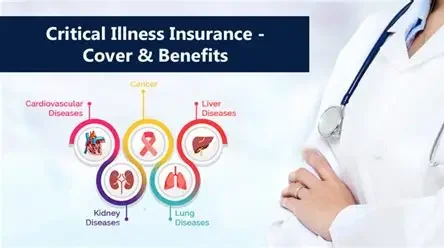
Many plans cover several critical illnesses, with some offering additional coverage for conditions like Alzheimer’s or major organ failure.
Optional Riders
Some policies allow add-ons, such as return of premium, partial benefits, or coverage for dependents.
Benefits of Critical Illness Insurance
Helps manage unexpected financial burdens from serious illness
Provides peace of mind during recovery
Supplements existing health insurance and income protection
Can cover expenses not normally covered by health insurance
Provides quick access to cash when needed most
Considerations
Limited Scope
Only covers illnesses specified in the policy; routine medical expenses are not included.
Waiting Periods
Policies may have a waiting period before coverage begins.
Pre-Existing Conditions
Some plans may limit or exclude coverage for pre-existing conditions.
Summary
Critical Illness Insurance is a valuable financial tool to protect against the economic impact of serious health conditions. By providing a lump-sum cash benefit, it helps you focus on recovery rather than worrying about bills, income, or other expenses.