

 Image 1 of 1
How Hospital Indemnity Plans Work
You pay a monthly premium for the plan.
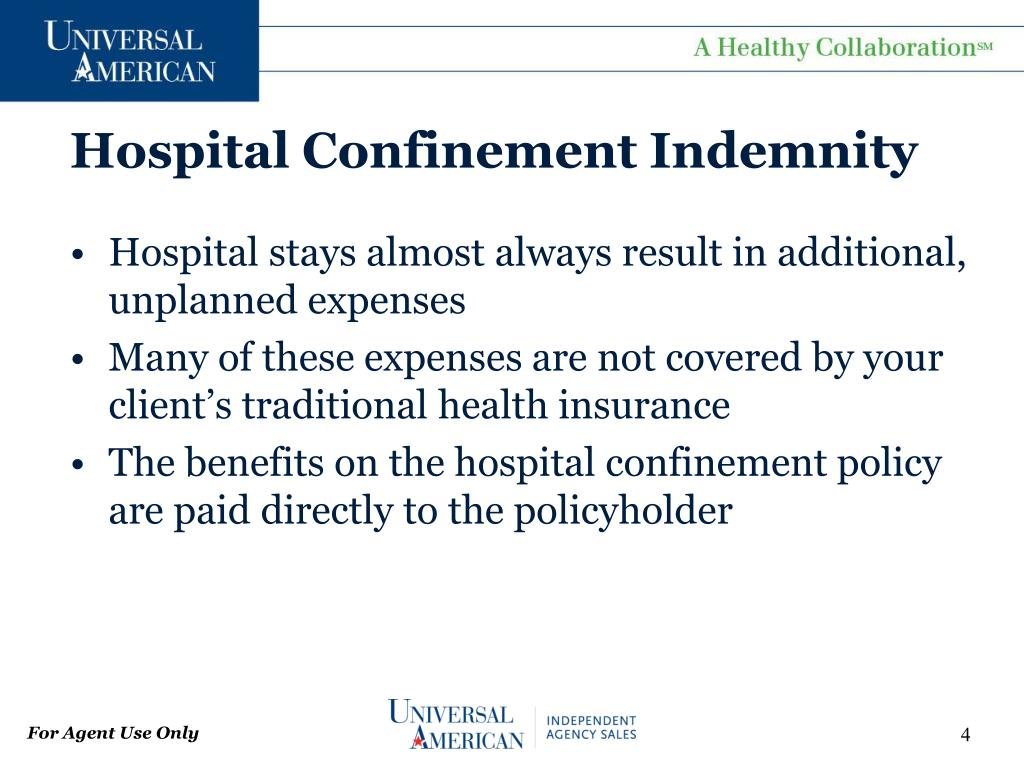
If you are admitted to a hospital due to illness or injury, the plan pays a pre-determined cash benefit.
The benefit can be used for medical expenses, household bills, lost income, or any other need.
Some plans also cover emergency room visits, observation stays, or intensive care.
Key Features of Hospital Indemnity Plans
Cash Benefits
Provides a fixed cash payment for hospital admissions or related services.
Flexible Use
Funds can be used for medical bills or other expenses like rent, groceries, or transportation.
Coverage for Various Stays
Includes hospitalizations from illness or injury, with optional add-ons for intensive care or emergency visits.
Supplemental Protection
Works alongside your existing health insurance to reduce out-of-pocket costs.
Benefits of Hospital Indemnity Plans
Helps cover out-of-pocket hospital expenses
Provides financial support during hospital stays
Can supplement health insurance coverage gaps
Offers peace of mind and financial flexibility
Can help manage income loss during hospitalization
Considerations
Limited Coverage
Only pays for hospital-related events, not routine medical care or preventive services.
Benefit Limits
Policies may have maximum payouts per day, per stay, or per year.
Pre-Existing Conditions
Some plans may limit or exclude coverage for pre-existing conditions.
Summary
Hospital Indemnity Plans are supplemental insurance policies that provide financial protection during hospital stays. By offering a fixed cash benefit, they help cover medical and non-medical expenses, reduce financial stress, and allow you to focus on recovery.