

 Image 1 of 1
What Is Term Life Insurance?
Term life insurance is a type of life insurance that provides coverage for a specified period of time, typically between 10 and 30 years. If the insured individual passes away during the policy term, a death benefit is paid to the designated beneficiaries. This benefit can help cover important financial obligations such as mortgage payments, education expenses, daily living costs, or lost income.
Term life insurance is designed to offer straightforward, affordable protection during the years when financial responsibilities are highest.
Key Features of Term Life Insurance
Fixed Premiums
Premiums are usually level for the entire term of the policy, making it easier to budget and plan long-term.
No Cash Value
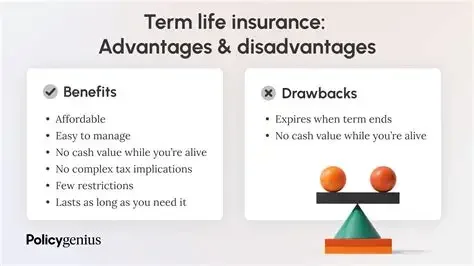
Term life insurance does not build cash value. It provides pure death-benefit protection only.
Renewal and Conversion Options
Many policies allow you to renew coverage at the end of the term or convert to a permanent life insurance policy without requiring additional medical exams.
Types of Term Life Insurance
Level Term Insurance
Provides a fixed death benefit and fixed premiums for the entire term.
Decreasing Term Insurance
The death benefit decreases over time and is often used to cover debts such as a mortgage.
Annual Renewable Term Insurance
Coverage renews each year, with premiums increasing as the insured ages.
Benefits of Term Life Insurance
Affordability
Term life insurance is typically the most cost-effective form of life insurance, making it ideal for individuals and families on a budget.
Simplicity
Policies are easy to understand and manage, without the complexity of investment or savings components.
Considerations
Coverage Expiration
If the insured outlives the policy term, the coverage ends and no benefit is paid unless the policy is renewed or converted.
Health Underwriting
Most policies require medical underwriting. Premiums may vary based on age, health, and lifestyle factors.
Summary
Term life insurance is a practical and affordable option for individuals who want to provide financial security for their loved ones during a specific period of life. It is especially useful when covering temporary financial responsibilities such as raising children, paying off a home, or replacing income. Carefully evaluating your needs and comparing policy options can help you find the coverage that best fits your situation.